

 The Diversity Leadership Program, sponsored by the Division of State, Provincial and Territorial Association Affairs (Division 31) has been held prior to the Practice Leadership Conference since 2009. The primary purpose of the program is to provide leadership development training to psychologists of color with the goal of assisting the Diversity Delegates to advance into leadership positions within their SPTA and APA.
The program was initially developed to expand upon the noted successes of the Diversity Initiative of the Committee of State Leaders (CSL). At that time, although there had been progress with the initiative over the years (e.g., a number of delegates had moved into leadership and governance positions within their SPTA and APA), it was felt that the initiative was not progressing at the rate anticipated. The organizers of the program believed there remained a disconnect between Diversity Delegates and SPTAs that limited the Initiative from achieving maximal success. Subsequently, the program was initiated to assist the Diversity Delegates in becoming leaders within their SPTAs, serving on the Executive Committee of their SPTAs, and becoming more active in APA governance.
In discussing the initiative with the Diversity Delegates, a number of them noted their challenges and concerns about moving into governance. They felt the challenges were primarily twofold:
- Developing the confidence to become successful leaders within the SPTA. Diversity Delegates bring significant strengths and experiences (e.g., successfully completing the requirements for a doctoral degree, maintaining a successful practice, or gaining academic tenure); however, they cited a need for specialized training combining general leadership skills with a targeted focus on governance in psychological associations.
- Building an alliance with experienced SPTA leaders that mentor movement into the leadership track. The Delegates also reported that they sometimes felt isolated and challenged in their efforts to develop, expand, or maintain diversity in their SPTAs. They expressed an interest in finding ways to better connect with the Executive Directors and SPTA leaders and develop a shared vision about diversity.
In order to continue to advance the Diversity Initiative, it was proposed that Division 31 and the Office of Ethnic Minority Affairs (OEMA) partner to sponsor the Diversity Leadership Development Workshop. The workshop would coincide with the Practice Leadership Conference. In 2009, APA’s Commission on Ethnic Minority Recruitment, Retention, and Training in Psychology (CEMRRAT) provided partial funding for the first Diversity Leadership Development Workshop. It was organized and facilitated by prominent psychologists with leadership and governance experience. They have an understanding of the challenges that psychologists of color face in becoming leaders within SPTAs and APA. The inaugural faculty were Sandra Shullman, PhD, Jessica Henderson Daniel, PhD, ABPP, Melba Vasquez, PhD and Cathy McDaniels Wilson, PhD, ABPP.
The goals of the leadership development workshop were to:
- Explore leadership styles and impact of behavioral style on others.
- Provide knowledge/information needed to facilitate movement into leadership positions within the SPTA.
- Address readiness/confidence in moving into leadership positions.
- Address the manner in which being a minority fits into this context.
Eight diversity delegates participated in the first workshop. Because the workshop was considered a success by many, including the participants, the leadership of Division 31 wanted to continue to build upon the success and a second workshop was held in 2011. The goals of the workshop remained the same and The Office of Ethnic Minority Affairs remained a co-sponsor of the event.
The Diversity Leadership Program has been held every two years since 2009, and it continues to grow, and participants have advanced into leadership positions within their SPTA and APA, including the APA Council of Representatives and Board of Directors. Division 31 is currently in partnership with the Leadership Development Institute in the organization and implementation of the program.
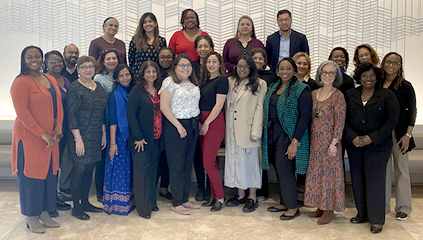
The 2023 program was led by Erin Alexander, Jennifer F. Kelly, Dinelia Rosa, Sandra Shullman, Ruddy Taylor, Cathy McDaniels-Wilson, Melba Vasquez, and Randall White.