skip to main content

Please review the following candidate statements to prepare for the upcoming 2024 Division 43 election.

President-elect

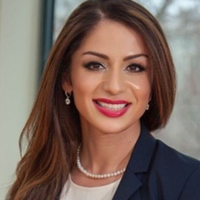
Shawndeeia Drinkard, PhD

Shawndeeia Drinkard, PhD I am honored to be nominated for the Society of Couple and Family Psychology President-elect position. I am the Director of Clinical Training and an Assistant Professor in the Clinical PhD program at the California School of Professional Psychology at Alliant International University-Los Angeles (CSPP-LA). In addition to those roles, I also serve as the Executive Director of the Urban Mental Health and Wellness Initiative (UMHWI). UMHWI seeks to increase knowledge about mental health & wellness within underserved communities and hopes to decrease barriers to accessing culturally responsive mental health care in those communities. I earned my PhD in Clinical Psychology from CSPP-LA where I had an emphasis in couple and family psychology.

My research focus has been on four main areas:

  1. Understanding trends in risky sexual behaviors in ethnic minority youth, with an interest in informing culturally responsive school and family-based prevention programs.
  2. Exploring experiences of discrimination of Black college students at predominately White institutions and understanding the impact of perceived discrimination on educational outcomes.
  3. Navigating cultural complexity in clinical supervision relationships.
  4. Exploring the impact of community-based programs that aim to fortify resilience in children and families. 

My deep-rooted commitment to Division 43, which began during my student years, has allowed me to connect with many remarkable couples, family, and system-oriented psychologists. I have had the honor of serving as an early career professional representative, interim treasurer, and, most recently, secretary with the board, and these experiences have been invaluable in my professional growth. One of my favorite parts of these experiences has been witnessing the impact of the hard work and passion that board members have on our ability to serve the members of Division 43. I would be grateful for the opportunity to serve as the President-elect for the Society of Couple and Family Psychology and for the privilege of leading many incredible ongoing board initiatives for our division. 

As the President-elect, I envision enhancing board initiatives to foster increased overall membership engagement, provide targeted support for early career psychologists, and reinforce our pipeline for students passionate about couple and family psychology. I believe in creating authentic opportunities for connection among our members at all career stages, and I consider it crucial for the future of our division and specialty to ensure that our students feel embraced and supported by our division. My background, dedication to service, and expertise in couple and family psychology make me an ideal candidate for the Division 43 President-elect position. I humbly request your support in electing me to this role.

Vice President for Public Interest & Diversity

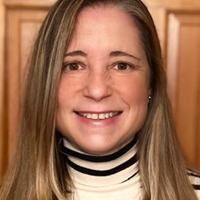
Elizabeth Eder-Moreau, PhD

Elizabeth Eder-Moreau, PhD I am a postdoctoral fellow focusing on women’s and perinatal mental health at Brown University. I am a bilingual Spanish speaking early career psychologist seeking to specialize female and women’s mental health and the ways in which the intersectionality of their varied identities impact individual and family outcomes. I completed my doctorate in Counseling Psychology in 2023 from Fordham University and received my Master’s in Counseling Psychology in 2015 from Temple University. I am grateful for the opportunity to submit my candidacy for the VP for Public Interest & Diversity position within the Division of Couples and Families.

My clinical work has centered around facilitating life transitions for children, families, and adults. As a postdoctoral fellow in perinatal mental health, I have humbly witnessed the ways that birthing people and their families adjust to having a new child. I have strengthened my understanding of the ways that culture and the intersectionality of birthing people’s identities influence their perceptions of parenthood which, in turn, impact the entire family system. Prior to fellowship, I gained many experiences learning about the importance of family systems in recovery from mental illness.

As an intern, I worked with those with persistent and chronic mental illness and those who had recently had their first psychotic episode. I facilitated groups in English and Spanish to assist family members in understanding their loved one’s mental illness, and to help them understand the shift in family roles resulting from SMI. As part of my doctoral training, I externed in community mental health centers in which the role of family support in recovery from mental illness, or lack thereof, was evident in my clinical work. As an extern New York State Office of Mental Health hotline, set up as part of the response to COVID-19 in 2020, I became more convinced of the power and importance of connection to family, traditional or otherwise. Time has taught me that clients’ perceptions of their own resilience often comes from their own families of origin, and their cultural understandings of success, interdependence, and mental health. One of the most unique experiences I had that qualifies me for this position was my internship.

I interned at Boston University’s Center for Multicultural Training in Psychology. CMTP, the only program of its kind in the nation, is a unique environment that specifically focuses on the ways in which culture is intertwined in all of our interactions. CMTP urges students to know and own who they are by asking interns to have difficult conversations about race, gender, sexuality, spirituality, and privilege. Additionally, while at CMTP, I participated in multicultural family therapy seminars in which we delved into our own family histories and discussed the impact of family narratives of immigration, slavery, displacement, and privilege that are passed on through generations to contribute to individuals’ self-concepts. This experience has emboldened my desire to continue to learn ways in which I can use my privilege to advocate for underserved communities in psychology and elsewhere. My interest in participating in a program like CMTP came from the time I lived in Santiago, Chile from 2004-13.

While in Chile, I learned firsthand the importance of a sense of belonging and began to understand the ways in which my own culture had formed my own self-concept. I learned to communicate cross-culturally, and to switch back and forth between my own and Chilean culture. I learned to appreciate more the ways in which acculturation stress can impact self-concept and mental health, albeit from the perspective of a privileged White woman. I carry these experiences with me today, and am passionate about learning more while promulgating more nuanced understandings of these same concepts among fellow clinicians and clients.

If elected to be the VP for Public Interest & Diversity for Division 43, I would draw from each of these experiences to further Division 43’s mission. Specifically, I would like to start the following initiatives: 1) to create psychoeducation programs about women’s and perinatal mental health for psychology graduate students, focusing on the ways in which intersectionality influences maternal and women’s health outcomes and 2) work with the broader American Psychological Association to advocate for policies that would facilitate the transition to parenthood for psychology trainees during graduate school and internship. Thank you for reading my statement and for your support.

Bahareh Sahebi, PhD

Bahareh Sahebi, PhD The experience and opportunities I have been granted throughout my career have helped me launch into a fulfilling career as clinician, educator, author, and a facilitator for change within different systems that have had long established methods that required adjustment to the times we live. With an abundance of energy and love for the work that we do in the field of psychology, I would like to serve on the board of directors for Division 43 and utilize the knowledge I have gained from those experiences to give back to our field and psychologists who are looking for up-to-date resources and guidance to serve the public interest.

I have worked as a core faculty and assistant program director of the Northwestern University’s Masters in couple and family therapy program, at the Family Institute; served as teaching faculty for couple and family, career development, DEI related courses; accepted invitations from various organizations as well as universities across the country for their training needs; have been honored to be a first responder following devastating mass shooting to serve various communities a trauma specialist; and held a thriving private practice where demands for specific DEI related clinical needs have become the central point of my work for individuals, families, and couples Such experiences have led to my understanding that there is a disconnected between what we know as psychologists, and the foundational skills required to serve the clinically relevant public interest needs in our communities today. As an educator, consultant and supervisor, I have witnessed that there are many times that the systemic overlap of the presented issues seems to leave skilled and experienced psychologists without a path to assist diverse populations leaving many couples and families without the help they need. Such challenges are further embedded within a sense of helplessness with a desire to connect and understand the diverse needs of couples and families, particularly children and adolescence in our growing diverse communities today

We are living in unprecedented times facing growing challenges to understand and attending to the needs of individuals, couples, and families with more complex needs, embedded in different experiences than we as psychologists are trained to handle. Often times the presented complexities relate to the disconnect between our training and the public interest’s special attention on issues related to DEI. With a proven reputation, I am dedicated and passionate to the work that we do as psychologists, clinicians and educators in providing the most impactful and highest quality mental health support addressing the issues relevant to diverse communities, often embedded within the larger systems. One example of such work is featured in my work as the co-author of Integrative Systemic Therapy in Practice: A Clinician’s Handbook opens in new window, an educational cutting-edge handbook aiming to assist clinicians focus on the integrative systemic clinical practices to assist individuals, couples and families with distinct needs in  today’s world.

As a board member of APA Division 43, I would work to improve the practice climate by advocating for more collaborative efforts between organizational governance, with the goal of education and advocacy that can get the attention of stakeholders at all levels as well as the public interest. If elected as Vice President of Diversity and Public Interest for Division 43, my goal will include special attention on issues related to DEI, constrained by larger systemic entities, and updated education for psychologists both in their clinical work as well as psychological testing updates and guidelines needed to serve todays diverse public needs I am ready and willing to work tirelessly to help psychologists, educators and other APA members receive the attention they need to further develop skills in DEI training and gain a new platform to expand related conversations and publications.

With your vote of support, I am eager to bring APA Division 43 to the head of the table as leaders and trend setters among all mental health organizational governance in dialogues and resources related to DEI for many of the underscored relevant needs.

Vice President for Science

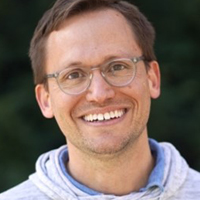
Davey Erekson, PhD

Davey Erekson, PhD I am honored to be nominated run for Vice President for Science in the Society for Couple and Family Psychology.

When I began my training as a psychologist, I knew that I wanted to understand psychotherapy as both a practitioner and as a scientist. I was also aware that an integrated career was perhaps hard to come by. I feel fortunate to have found a position that has, for the last ten years, allowed me to focus both on the practice of psychotherapy and the science of psychotherapy, and often the reciprocally supportive imbricated space between the two.

I received my Master’s in Psychology in Education from Teachers College, Columbia University in 2007. After two years working in healthcare research, I then completed a PhD in Clinical Psychology from Brigham Young University. I then worked in a hospital for my internship year at Eastern Virginia Medical School and completed my doctoral work in 2014. The diversity of these experiences inspired me, and while they were all excellent training, I found that my curiosity often left me with more questions than answers.

Since 2014, I have worked as a Clinical Professor (first Assistant, now Associate) at Brigham Young University’s Counseling and Psychological Services; since 2019 I have had the role of Assistant Director of Research and Technology. This position has allowed me to work with couples, groups, and individuals every week, while also maintaining a database of over 50,000 clients over 20 years. This database includes session-by-session measures of psychological functioning, and has been a consistent and concrete way to engage my curiosity about psychotherapists and psychotherapy. In addition to archival sources, I am energized by and engaged in gathering new data and interdisciplinary collaborations.

If elected, I would work to understand the hopes of our membership for our current place and future position in the scientific community, then support initiatives to encourage growth. I want to support our students and members in their research efforts, across the full spectrum of career maturation (with the understanding that those who perhaps need the most support include students and early career professionals). I also want to support our members in integrating science into their practice; part of this may be continuing to identify and follow best practices supported by controlled trials as well as practice-based research. My experience has continued to reinforce the reciprocity of science and practice—I value both, and hope I can bring that value to the position of Vice President for Science.

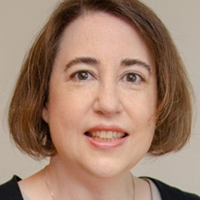
Lynne Knobloch-Fedders, PhD

Lynne Knobloch-Fedders, PhD When I was invited to consider accepting a nomination for the position of Vice President for Science of the Society for Couple and Family Therapy, I was honored to do so. Serving in this role is an opportunity to give back to Division 43, which has been my professional home since I began my training.

I am currently an associate professor in the Department of Counselor Education and Counseling Psychology at Marquette University in Milwaukee, Wisconsin, and a licensed psychologist specializing in couple and family therapy. In 2015, I was named an APA Fellow through Division 43, an honor which denotes outstanding contributions to the field of family psychology.

I received my undergraduate degree in psychology and theology from Marquette University, and my doctorate in clinical psychology from Miami University in Oxford, Ohio. I completed the Dr. John J. B. Morgan Postdoctoral Fellowship in couple and family psychology at The Family Institute at Northwestern University in Evanston, Illinois, where I served as a staff psychologist, Kovler Scholar, and the Director of Research.   

Throughout my career, I have designed my research to promote the health and well-being of couples and families, using a social justice framework to guide my work. My scholarship encompasses three primary areas of inquiry. The first line of my research investigates the links between mental health and relationship processes among couples, with a particular emphasis on the ways these factors predict treatment process and outcome in psychotherapy. My second line of research explores patterns of client and therapist behavior that are associated with successful treatment in individual, couple, and family psychotherapy. The final line of my research explores the relational and psychological well-being of military couples and families. 

My program of research has been funded by the U.S. Department of Defense, the American Psychological Association, the American Psychological Foundation, and the National Science Foundation. My scholarship has resulted in over 30 co-authored scientific publications, and I serve on the editorial board of several academic journals, including Family Process, Psychotherapy, and Psychotherapy Research. In addition, I served as the associate editor of Psychotherapy Research from 2016-18.   

As a faculty member, I love to teach graduate-level courses in statistics, psychometrics, research methods, and family therapy. I also enjoy mentoring doctoral students in the scientist – practitioner model as they begin their professional careers in psychology.

My professional career has been dedicated to conducting high-quality science and disseminating the results to establish the validity of family systems theory and intervention, and I would be honored to extend that work as the Vice President for Science of Division 43. I view this effort as critical to advancing the profession of couple and family psychology into the future. If elected to this position, I would prioritize several initiatives, including:

  1. Mentoring the next generation of scientist-practitioners in couple and family psychology.
  2. Working with key stakeholders within and outside APA to promote couple and family psychology.
  3. Advocating for research resources (e.g., grants, travel awards, workshops and training, scholarships) to promote the science of couple and family psychology.
  4. Collaborating with Dr. Guy Diamond, current Vice President for Science, to extend the Division 43 initiative he developed to bring couple and family psychology researchers together as a community through the Family Intervention Science listserv.

Secretary

Becka Hoppe, PhD (anticipated May 2024)
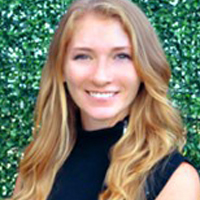
Becka Hoppe, PhD I am honored to have been nominated for position of Secretary for the Society for Couple and Family Psychology (Division 43). With a comprehensive background in developmental psychology, extensive research experience, and a profound commitment to the field of couple and family psychology, I am eager to contribute to the continued success of our division.

Commitment to the Field. As a dynamic and dedicated developmental psychologist, my research endeavors have been primarily focused on promoting child and family wellbeing. Through a developmental lens, I have explored various facets of child and family adaptation. My work aligns with family systems models, which illuminate the intricate dynamics within families, emphasizing the interconnectedness of each member's experiences, behavior, and emotions. My research underscores the importance of family dynamics to foster positive socioemotional development and circumvent problematic outcomes in bereaved children and families.

Professional Experience. My journey in academia and research has been multifaceted, encompassing roles as an educator, researcher, and community advocate. Over the past decade, I have worked closely with children and families grappling with the death of a loved one, providing support and guidance to enhance their coping skills and overall resilience. Additionally, my experience as an adjunct instructor has allowed me to impart knowledge in psychology courses, with a specific emphasis on child and human development and family relationships. Through my research, I have delved into the complexities of child and family adaptation to significant stressors, contributing to the growing body of knowledge in this field.

Involvement in Division 43. My active involvement in Division 43 spans two years, during which I served as the Student Representative and later assumed the role of Hospitality Chair for APA's 2023 convention. Beginning my journey with the division during graduate school, I gained invaluable insights into its operations, aspirations, and challenges. Serving as the Hospitality Chair provided me with the opportunity to foster professional connections and facilitate meaningful interactions among members, while also presenting on topics relevant to those navigating graduate education. Additionally, I played a pivotal role in the establishment of the Family Science Intervention Work Group, spearheaded by Guy Diamond, PhD, which has since flourished into a vibrant community of professionals dedicated to family intervention work.

Skills and Qualifications. Currently pursuing my Doctor of Philosophy in Developmental Psychology at Virginia Commonwealth University (VCU; anticipated 2024), I bring a wealth of academic knowledge and practical experience to the role of Secretary. Alongside my academic pursuits, I hold a Master of Science in Developmental Psychology from VCU, further augmenting my qualifications for this position. Drawing from my education and experience, I am an incredibly organized and detail-oriented individual. In my capacity as a doctoral student and project manager, I have consistently demonstrated my ability to meticulously document meetings, summarizing key points, outlining objectives, and forecasting future work and deadlines. My proficiency in maintaining comprehensive records and facilitating clear communication will be invaluable in ensuring the efficient functioning of our division.

Vision and Goals. If entrusted with the role of Secretary, I am committed to fostering open communication, collaboration, and engagement within our division. By ensuring efficient record-keeping and transparent communication, I aim to facilitate the seamless coordination of divisional activities, thereby enhancing the overall effectiveness and impact of our initiatives.

In conclusion, I am deeply enthusiastic about the opportunity to serve as Secretary for Division 43 and contribute to the advancement of our field. I am eager to collaborate with fellow members and leaders to address the evolving needs of our community and propel our division toward continued growth and success.

Thank you for considering my candidacy.

Nicholas Lee, PhD
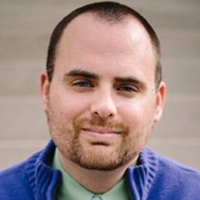
Nicholas Lee, PhD It is an honor to be considered for Secretary of Division 43.

As a new doctoral student in counseling psychology in 2011 I joined APA as a student member.  When considering which divisions outside of the Society of Counseling Psychology that most reflected my prior, as well as emerging, professional identity, Division 43 was a natural choice. Prior to obtaining a PhD, I obtained a master’s degree in couple and family therapy and worked for several years as licensed marriage and family therapist (LMFT). I was excited to join Division 43 then, and I have continued to be a member since. 

Since obtaining my PhD in Counseling Psychology (cognate: Couple and Family Psychology), I worked as an assistant professor of psychology at Radford University where I taught undergraduate, master’s, and doctoral students in an APA-accredited counseling psychology program. There I taught course work pertaining to family systems theory, research, and interventions, as well as supervised graduate students working with couples and families. Currently, I am an assistant professor of counseling psychology at Ball State University. I teach courses on couple and family therapy, provide clinical supervision to students in our community-based clinic, and mentor students who are interested in completing a cognate (major concentration) in couple and family therapy as part of their doctoral studies. My research has primarily focused on romantic relationships and the application of Emotionally Focused Couples Therapy to various issues and populations. My publications have appeared in Couple and Family Psychology: Research and Practice, the Journal of Marital Family Therapy, and the Journal of Couple and Relationship Therapy. Clinically, I have maintained an active caseload over the years of individuals, couples, and families.  I am a certified EFT therapist. 

As I am coming to the back part of my “early career” phase, I am looking to become more involved in a field that has given so much to me. Prior to this, I have been intimidated to get more involved with the division thinking, “You haven’t done enough to be of use to others.” The more I reflect on this, I am reminded how listening to the voice of imposter syndrome rarely, if ever, leads to new and interesting challenges and growth.  I look forward to the opportunity to serve you all in the position of secretary for the Division 43 executive board.

Last updated: April 2024Date created: 2019