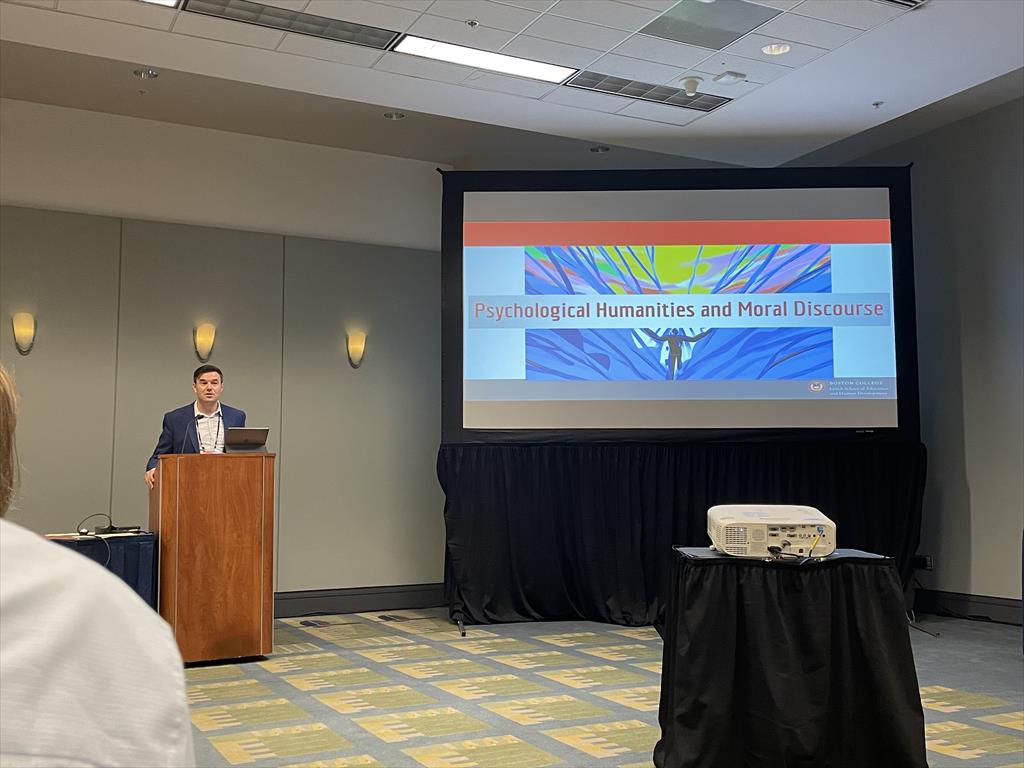
The Society for Theoretical and Philosophical Psychology played a pivotal role in the 2023 APA convention, orchestrating a series of innovative events that fostered dialogue and exploration in critical areas of psychological theory and practice.
The 2023 Invited Address by the Society for Theoretical and Philosophical Psychology and cosponsored by APA Divisions 9, 12, 32, 39, 45, and APAGS featured transcultural psychiatrist Laurence J. Kirmayer, PhD. Under the theme “Psychology for Humans: Can Psychological Humanities Include Those Psychological Science Neglects?”, the address, titled “Cultural Politics and the Poetics of Illness and Healing,” explored the transformative potential of psychological humanities, challenging the traditional positivistic psychology that marginalizes those outside perceived "norms."
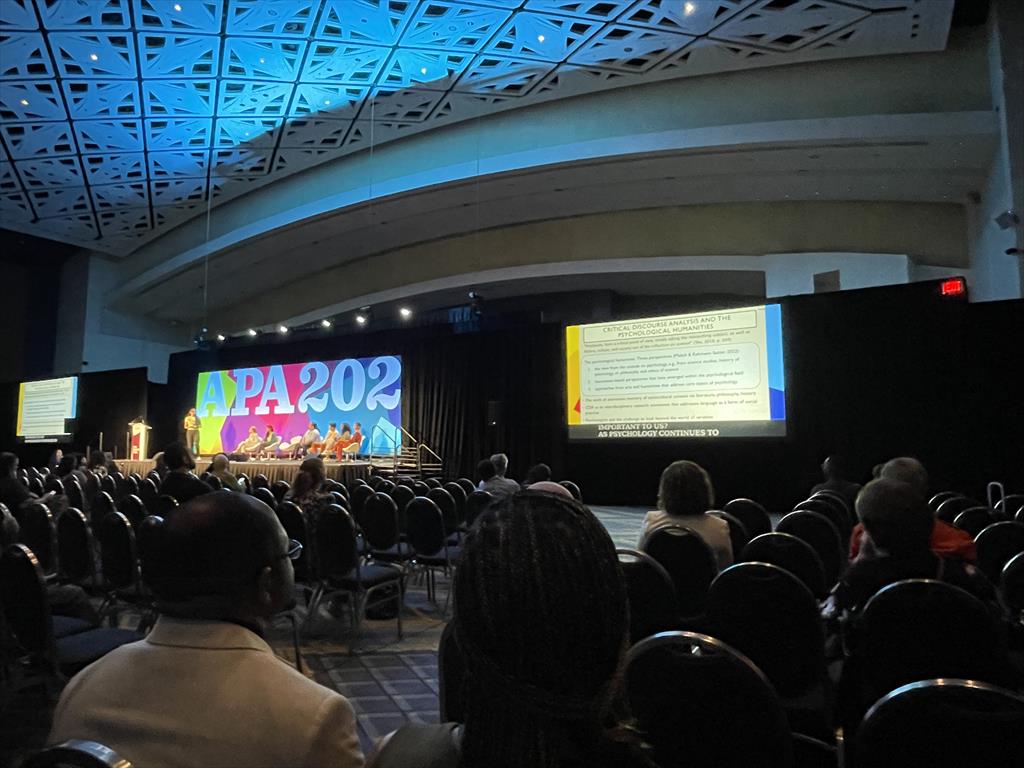
Following Kirmayer’s presentation, a distinguished panel, including Usha Tummala-Narra, PhD, Professor Joseph P. Gone, and David Goodman, PhD, current president of the Society for Theoretical and Philosophical Psychology, responded to the talk, examining its theoretical and clinical implications. The collaboration of diverse APA divisions emphasized the interdisciplinary nature of this critical dialogue and marked a significant step towards a more inclusive, diverse, and revolutionary understanding of the human experience within the realms of psychological science and practice. Later, on Thursday, our division led the organization of the Foundational Divisions Social and after-party, which were both well attended. Leaders of our cosponsoring divisions, the Society for General Psychology and Interdisciplinary Inquiry, the Society for the History of Psychology, Psychoanalysis, and the Society for Humanistic Psychology, expressed an interest and willingness in continuing to develop cross-divisional support and programming.
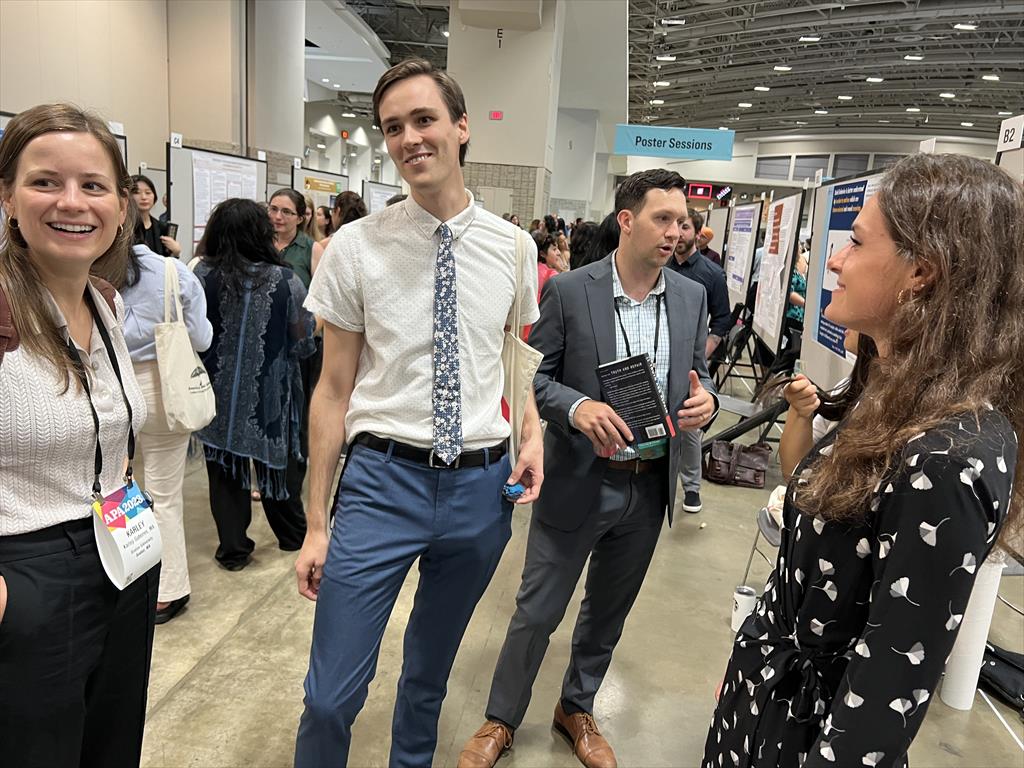
On Friday, David Goodman, PhD, led an engaging dialogue, “Sister Disciplines in Dialogue: The Virtues Necessary for Interdisciplinary Exchange.” Researchers from Georgetown in psychology, theology, and philosophy, including Adam Green, PhD, Frederick Ruf, PhD, Katherine Withy, PhD, and Hemal Trivedi, PhD, engaged in fruitful conversations about common ground, shared values, and cross-disciplinary communication. Cosponsors were 03, 36, and APAGS.
A highlight of the APA convention was the history-making “Positivist Methods and the Decontextualization of Race: A Critical Discourse Analysis.” This Division 24 event was prominently featured on the APA main stage, attracting widespread attention and marking a significant moment by bringing psychological humanities and critical psychology into the mainstream at APA. The symposium investigated how conventional methods might perpetuate the marginalization of BIPOC individuals, using critical discourse analysis grounded in psychological humanities. The impressive lineup of speakers included Laura Smith, Nyrah Madon, Tyner Gordon, Cindy W Ascencio Arroyo, Marco Trevino, Oliver Xu, and Michael Sheffey. Cosponsored by Societies 12, 32, 45, and APAGS, this session underscored a growing recognition of critical psychological theory within the mainstream psychological discourse and contributed to ongoing dialogues in the field.
David Goodman's presidential address at the APA convention, entitled “Psychology's Moral Imagination,” served as a resonant call to psychologists to reevaluate the intrinsic moral reasoning implicit within their field of study. In this profound and challenging discourse, Goodman urged the community to recognize and engage with the ethical considerations that guide and underpin the discipline. By emphasizing the need to turn toward ethics as a central guiding principle, Goodman's address fostered a reflective examination of psychology's role in shaping the discourse about what it means to be human. In doing so, he illuminated the intertwined relationship between ethical action and the very core of psychological inquiry, setting forth a compelling vision for a more conscious and responsive future in the field.