

Raymond A. Folen, PhD, ABPP
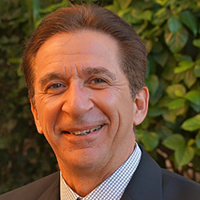
Serving as CESPPA chair has also given me the opportunity to appreciate the tremendous investment our colleagues in the SPTAs, Division 31, the APA Council of State Leaders, the APA Board of Directors, and others within APA have made to our SPTA viability. These efforts will benefit from greater inter-organizational collaboration and communication, something that I will make a priority.
Supporting our SPTAs during these ever-changing times is critical. While advocacy at the federal level is extremely important, how the practice of psychology looks now - and how it will look in 10 years from now - is very often determined at the state level. SPTAs address the challenges our profession faces and are at the forefront of championing practice initiatives that will advance us into the future. However, most psychologists in practice do not belong to their state or territorial psychological associations. I will be actively involved in Division 31’s efforts to develop strategies to increase membership and active involvement in our SPTAs.
As a licensed psychologist, I served for many years as the civilian chief of the US Army’s largest department of psychology with a staff of 150 personnel. I was president and chair of the National Register of Health Service Psychologists from 2013-18 and am currently the executive director of the Hawai‘i Psychological Association.
Mahalo,
Ray
Larry Perlman, PhD
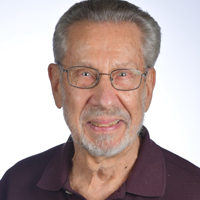 I have been a working clinician for 50 years in diverse practice settings, both institutional and private, in New York City and Ann Arbor. I taught in several graduate programs and started my own training program in child and family therapy. I have a long history of organizational activity and advocacy.
As member-at-large for Division 31 for the past three years, I discovered that two dozen mostly rural SPTAs have little or no participation in Division 31. They suffer from limited financial resources, part-time administration, and few volunteer members. Our goal is to reach out and engage these needy state associations and provide them with mentoring and other resources to help build their organizations. They need better marketing, recruitment, and presentation of locally relevant services to grow their membership.
We plan to publicize the successes of well-run SPTAs and the best practices that they embody. They can serve as role models for other associations. One idea that has been proposed is to spotlight a different SPTA every two months.
Finally, we wish to engage the leadership at APA to provide more visibility for the SPTAs and resources to further their growth and viability. This can be accomplished through larger operating and other grants. However, it can also take the form of cooperative arrangements that share resources. For example, an email swap arrangement that was piloted by the Membership office was mutually beneficial to the SPTA and APA.
As president elect, I will be able to implement these initiatives.