

 Growing up Jewish and queer in a conservative part of Birmingham, Ala., I faced some pretty severe bullying as a child and teenager. It was a common occurrence for me to be called anti-Semitic slurs and mocked for looking and acting different. I was excluded by almost all of my classmates and had very little social support.
As a result, I struggled a great deal with my mental health. I felt depressed and anxious almost every day, and there were times when I felt sheer panic and terror about the prospect of attending school. Because I never seemed to fit in, I was completely convinced that I was fundamentally unlikeable and that the only positive quality I possessed was my near perfect academic track record. On top of the anxiety and depression I felt as a result of being bullied, I also put enormous amounts of pressure on myself to score perfect grades. Any score less than a 100 would send me into a spiral of shame and self-hate.
I cried a lot, and this worried many of the adults around me. I was sent to a number of therapists throughout my childhood. Most of them focused on figuring out ways to get me to stop crying so much; I was diagnosed with a variety of psychological disorders including Generalized Anxiety Disorder, Obsessive Compulsive Disorder and Cyclothymia, as well as prescribed medication, exercise and an array of breathing techniques. Some of my therapists worked on encouraging me to act more “normal” — maybe if I didn’t talk about my academic interests so much or if I stopped trying to be the teacher’s pet or if I were just less sensitive, then more of my classmates would like me. While some of the advice was useful, there were many times when I walked out of therapy continuing to feel like something was wrong with me, like it was my fault that I was being bullied, because I was just too weird and different to understand how to act like everyone else. More than anything else, I was frustrated with myself for not being able to stop crying or feeling depressed.
My experiences with and perspective on therapy drastically changed when I went away to college. After struggling considerably with the transition to a new city and a new environment, I reluctantly sought counseling from my university’s mental health center. I can still remember my first session. After answering some questions about my childhood during the intake, I remember saying, “I know I must seem really messed up. Everyone hated me in high school, and now I just started college and I still don’t fit in. There’s something wrong with me, I know it. I just can’t fit in anywhere.” I could feel myself start to tear up, and I immediately apologized for crying. “And on top of that, I am so overly emotional! I must be your worst client.”
My new counselor raised his eyebrows, looking up from his notes. “I was actually about to say that the way you’re reacting seems normal to me. It sounds like you had a pretty difficult time in school, and that was hard for you. It would be for anyone. And the transition from high school to college is hard too, which also is normal. I don’t know if I’ve met anyone who didn’t struggle to make friends in the first few months of college. I think it shows that you have a lot of resilience to get through all of that and to reach out for help.”
I was shocked. Here was a counselor who was not saying anything was wrong with me or that I needed to change myself to fit in better. In his opinion, I was having a natural reaction to the circumstances I’d been through. I’d never heard anything like it before. Unlike previous counselors, who had focused on diagnosing what was “wrong” with me and treating it, this therapist viewed my symptoms and struggles as a byproduct of the hardships and transitions I had undergone.
Over the next several months, I went from viewing myself as an unlikeable weirdo to a person who is different (and perhaps weird, in a good way) but still deserving of acceptance and belonging. I started to see my uniqueness as a strength. Instead of encouraging me to change myself to fit in, my counselor empowered me to seek out on-campus groups and spaces where I would be accepted. I joined my campus Hillel as well as Active Minds, a student mental health organization. He also encouraged me to stand up for myself in instances of bullying. Above all, he never pathologized my emotions or told me it was wrong to feel sad or depressed. I finally felt that I was given the space to process and react to some of my experiences as a child.
After my experiences with mental health struggles and therapy, I began to get involved with initiatives and organizations developed to combat prejudice and social injustice. I interned at the Anti-Defamation League of Philadelphia during my senior year of college, and I completed an honors thesis on weight-based bullying (i.e., bullying due to a child’s weight or size). Eventually, through my coursework and through my involvement in a few different advocacy communities, I found my way to disability studies, a discipline that centers the voices of people with disabilities and explores philosophical, cultural and sociological perspectives on the experience of disability. Generally, the field of disability studies challenges the idea that disability is solely or primarily an individual defect in need of medical treatment and posits that disability is the result of a multitude of factors, including societal exclusion and inaccessibility. The perspectives encompassed by disability studies greatly resonated with me as a person who cares deeply about challenging social injustices and exclusion rather than primarily changing individuals. Over the past several years, I have become intricately involved with disability studies research and advocacy.
One of my most pivotal moments within my advocacy career has been coming to view myself and accept my identity as a person with a psychiatric disability. Embracing that identity has allowed me not only to accept myself and reduce my shame around having experienced mental health struggles, but also to become connected to a community of people with similar experiences and perspectives. I started working with the National Empowerment Center, an organization led by and for mental health consumers, and helping develop advocacy initiatives, educational programming and workshops that center the voices of people with lived experience of mental health challenges and advocate for increased self-determination and acceptance of people with psychiatric disabilities.
For me, the most meaningful and fulfilling part of my work has been spending time with people with psychiatric disabilities, sitting with them through difficult times and empowering them to advocate for their rights and self-determination. My work has often included responding to people in crisis and providing space for people to experience strong emotions and extreme states.
My passion for that kind of intensely interpersonal, relational work sparked my interest in becoming a mental health counselor. As I began to explore the possibility of pursuing a graduate degree in counseling, I became increasingly certain that it was the right choice for me. There is little that I care more about than supporting people with psychiatric disabilities to gain agency over their lives and experience community, connection and meaning. However, I also wondered how my disability studies background and perspective would fit with my role as a counselor. While the disability studies field seeks increased acceptance and accommodation of disability in society, the counseling field often seeks to diagnose and treat psychiatric disability. Would it be possible to reconcile both of these goals and perspectives?
I am in only my third semester of graduate school, so I have yet to fully know how I will integrate my disability studies background with my role as a mental health counselor. However, I believe it is quite possible to do so. In my own experience with counseling at my university’s mental health center, I felt that my counselor focused much more on encouraging me to accept myself and find spaces where I would be accepted than diagnosing me or fixing me. I hope to take this same general approach with my clients. I believe that person-centered therapy and other humanistic approaches to counseling provide an excellent framework to do so. These approaches require therapists to work with clients from a standpoint of unconditional positive regard and to support clients in discovering their strengths rather than operating from a deficit-based model.
I also believe that it is important to learn from counseling approaches developed by and for other marginalized communities. For example, while homosexuality used to be pathologized as a mental illness in the DSM, many counselors now practice LGBTQ-affirming therapy, which supports LGBTQ clients in accepting themselves and decreasing any feelings of shame they may have around their identities. Similarly, feminist therapy focuses on empowering women and people from other marginalized groups to advocate for themselves and challenge injustice in their daily lives. Similar approaches could be applied to counseling clients with disabilities, including those with psychiatric disabilities.
I do not mean to say that psychiatric disabilities should never be diagnosed or treated. Many people with psychiatric disabilities want treatment including cognitive behavioral therapy, dialectal behavior therapy and/or medication. Exercise and breathing techniques should not be discounted, as they are very useful for many people. Diagnosis can be a helpful tool for understanding a client’s struggles and recommending treatment options, and many people with psychiatric disabilities have found significant benefit from receiving a diagnosis and treatment. However, there is no reason why the social and systemic factors impacting a person should not also be explored. In fact, according to the American Mental Health Counselors Association Code of Ethics, counselors have an ethical and moral obligation to encourage people with disabilities to advocate for themselves. If a client is facing prejudice or discrimination on account of their psychiatric disability or other disability (or other difference), it may be helpful to explore ways to address that. Counselors can also encourage clients to request disability accommodations and provide linkages to organizations where they might find acceptance and social support, such as peer-run wellness centers and peer support groups.
The American Counseling Association’s 20-20 Consensus defines counseling as “a professional relationship that empowers diverse individuals, families, and groups to accomplish mental health, wellness, education, and career goals.” I believe that the disability studies field complements and enhances this goal and does not take away from it. As a future counselor with a disability, I look forward to empowering my clients to accomplish their goals and stand up to any injustice that stands in their way.
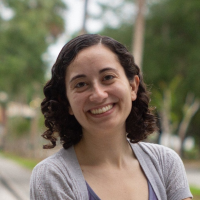 Emily Sheera Cutler is a graduate student in clinical mental health counseling at Troy University in Tampa, Fla. She is passionate about creating spaces in which people can express their thoughts, feelings, experiences and identities free from judgment. In addition to her studies, Emily writes and speaks on the topics of disability justice, neurodiversity, peer-run mental health services, suicide prevention and the Health at Every Size paradigm.