

 I’ve read over the letters and find them clear, compelling and comprehensive. I especially appreciated the emphases on narrative descriptions and social contexts as complements and, in some cases, alternatives to any traditional manuals stressing individual diagnoses. I also very much appreciated the summary recommendations at the end of given discussions of specific areas in need of revision. These summaries serve to concretize the theoretical bases for the critiques. On the other hand, I also appreciated that your call acknowledges the potential value of diagnoses (or patterns of behavior and experience) as useful for certain forms of research and application. I agree that this isn't a black or white issue but “both-and” and a question of expanding and deepening the prevalent diagnostic view.
Not surprisingly, I also appreciated the parallels to my article on the polarized mind as an alternative way to contextualize so-called mental disorders, particularly as they are overridingly informed by social, systemic and environmental contexts rather than disease entities. Much recent work has upheld the significance of environmental factors such as trauma, emotional and physical abuse, prejudice, death and illness over and above physiological dispositions and correlates. For example, see Read and Bentall (2012) on negative childhood experiences and mental health as well as Norcross and Wampold (2019) on the significance of relational and contextual factors in effective psychotherapy.
At the same time, I still am hoping that we gradually and thoughtfully move toward some comprehensive theories of psychological disturbance that foster something like the polarized mind paradigm (which, of course, could be a variety of paradigms) that help us get a better handle on psychological suffering as well as health. These of course also would be informed by values at bottom, but they would hopefully entail values upon which many could agree. A theory or theories of psychological disturbance also could help in the context of advocacy for alternative “diagnostic” systems, such as you've so well presented. In short, theories could help us consolidate and provide a rationale for the kind of alternatives (e.g., narrative and systemic) about which you argue for. At the same time, I think the theoretical development of such underpinnings and their amelioration is for the longer term. But as for the present letters at hand, I think you have very well-articulated a cornerstone of diagnostic revision that compels strong consideration for a revision of the DSM.
Although I agree with the gist of it, one slight concern I have is with the following statement: “A true paradigm shift would start with recognition of the overwhelming empirical evidence that the experiences we call mental illness are understandable and essentially ‘normal’ human responses and that psychosocial and structural factors such as inequity, abuse, poverty, housing insecurity, unemployment and trauma are the most robustly evidenced social determinants.” Might it be more accurate to say that the experiences we call mental illness “often” are normal versus “essentially” normal? Some experiences called mental illness are quite mysterious and not necessarily expectable (or “average”) responses to stressful circumstances. Temperament, genetic disposition and sensitivity level all may figure in.
Finally, I strongly recommend the larger contribution of psychology and psychologists calling for a psychologist general to oversee and advise the public on preponderantly psychological contributions to mental health and dysfunction. (See my article in the November 2019 issue of Scientific American; Schneider, 2019.) This is highlighted all the more by the urgency of the crises in mental health in our country, as well as the delimitations of medicine to address these problems.
References
Norcross, J. C., & Wampold, B. E. (2019). Relationships and responsiveness in the psychological treatment of trauma: The tragedy of the APA Clinical Practice Guideline. Psychotherapy, 56(3), 391–399. https://doi.org/10.1037/pst0000228opens in new window
Read, J., & Bentall, R. P. (2012). Negative childhood experiences and mental health: Theoretical, clinical and primary prevention implications. British Journal of Psychiatry, 200(2), 89-91. https://doi.org/ 10.1192/bjp.bp.111.096727opens in new window
Schneider, K. J. (2019, November). The U.S. needs a mental health czar. Scientific American, 321(5), 12. https://doi.org/10.1038/scientificamerican1119-12
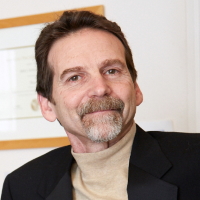 Kirk Schneider, PhD, is a licensed psychologist and leading spokesperson for contemporary existential-humanistic psychology. Dr. Schneider is past-editor of the Journal of Humanistic Psychology, adjunct faculty at Saybrook University and at Teachers College, Columbia University, and president of the Existential-Humanistic Institute (EHI). He also is a fellow of four divisions of the American Psychological Association (Humanistic, Clinical, Theoretical/Philosophical, and Independent Practice) as well as a frequent speaker at conferences and in the media. He has authored or coauthored twelve books, including The Wiley World Handbook of Existential Therapy, Existential-Humanistic Therapy, Existential-Integrative Psychotherapy, and Awakening to Awe.