

I have had an increasing number of therapists, physician colleagues, consultees, graduate students, and friends ask about guidelines for working with others or themselves regarding non-spousal sexual involvements that would also foster physical and emotional well-being. This article deals with issues voiced about sexual behaviors from the teen years on through the nursing home years. It is predicated on a value-based stance purporting that one’s sexual behavior should be consonant with one’s beliefs, values, and dreams. Clinical recommendations are interspersed. It closes on a positive note about the joys of healthy sexuality, conveying how pleasurable this can be and providing balance to the portrayal of risky types of sexual behavior during this, the second roaring twenties. (Scott-Fitzgerald, 1925). The issues, discussed herein arise in all age groups and are similar across all sexual identities.
Concerns expressed
People now face a society characterized by different mores and standards of behavior than they or their families previously held, such as invitations to “let’s hook up.” Many are unaccustomed to sex being considered part of casual dating. If they agree to “hooking up,” can they quickly arrange to use protection? What if pregnancy results if they do not? Below are some approaches I have evolved, with input from colleagues, dating friends, and consultees.
When talking to clients, consultees, other professionals, and parents of socializing adolescents, it is important to emphasize a value-based approach to encourage them to act in a manner that enables them to maintain a positive self-image. Below are critical issued raised besides “hooking up” and suggested responses:
- Ask: Are your values and how you act consistent with your beliefs, goals and self-concept? How impulsive are you, and do you usually think through what you may do impulsively or refrain from actions you might regret? Is the anticipated feeling of elation by the spontaneous episode of pleasure likely to prevail?
- If you are considering a sexual involvement, is it to be an exclusive or open relationship, i.e., can they engage sexually with other partners? (O’Neil, N. & O’Neil, G., 1972). Do you agree on this? Can you still date others, but not have other sexual liaisons?
- Are you hoping this sexual involvement will lead to a commitment, or is it just for immediate gratification?
- Is it urgent to know about your partner’s sexual and physical health status?
Do they have:
- A sexually transmitted and transmissible infection (STI) (Mayo Clinic Health Letter, Feb. 2020) such as genital herpes, chlamydia, gonorrhea, HIV/AIDS, and/or HPV?
- Other physical, sexual problems such as low sexual desire or impotence problems, decreased estrogen production and vaginal dryness?
- Medical problems, coronary difficulties, hypertension, neurological conditions, kidney failure, diabetes?
- Are you willing to be exposed to an STI for a wonderful sexual encounter?
First brief case history
I recall a case where a married patient of mine was having an affair. Her lover had a fatal coronary while in her bed. She was mortified about whom to call to come get his body, who would tell his wife, and what to do if her husband came home before they removed the body. It took her years to resolve the trauma experienced, live with her guilty secret, and memories of her foolish behavior. Prior to this fatal incident, when I tried to discuss possible consequences of her behavior, she said she did not want to end the affair as she had never before had such wonderful sex. Never did she anticipate what eventuated.
Additional concerns:
- Are you able to discuss these and other personal questions honestly with one another? (Schnarch, 2009a).
- Can you ask your potential partner to go for a sexual health exam? Are you also willing to, which they have a right to request? If yes, some emergency medical centers offer this service, or call your local department of health.
- If either of you travel for business or have a second residence elsewhere, what will the agreement be about dating others while apart? Do you trust that she/he will be faithful sexually? How important is mutual trust to both?
- If one is married and their partner has dementia, Alzheimer’s, Parkinson’s disease, or is totally physically incapacitated, whether they are living at home with an aide or in an assisted living facility or nursing home, the “well” partner may ask you, “Is it all right to date?” If no, “Can I become intimate or am I obligated to remain faithful and lonely?” The independent partner and their adult children may not want him or her to get a divorce or desert the ill spouse. Or they may ask, “What if I meet someone with whom I want to go out and tell them that I will not get divorced and will continue to visit my ill spouse, yet I desire to live my own life fully? I will have been honest and the other person can decide knowing the truth.” Is this “ethical” and fair in their estimation? In yours? Will you share your honest opinion, if asked to?
- Will you be able to handle the criticism that some friends and family members hurl at you if you date? Or will everything need to be kept clandestine? Might emphasizing positive psychology (Seligman, 2011) and the importance of self-fulfillment be warranted?
Second brief case history
Some years ago, a male psychologist friend called to ask for my input about a personal situation. His story was: His wife of 30 years was in assisted living for three years with a diagnosis of dementia. Previously he had taken care of her at home but could no longer do that as his job and ability to earn a living suffered. He was worn out and stressed when he resorted to placing her. When he called me, her dementia was worsening. He continued visiting her three times a week and handled everything around her care. She never inquired about him. He had begun dating after she had entered assisted living and told the women he dated about his wife. Most accepted that. Several years after his spouse was institutionalized, he met someone in whom he became interested. Soon she indicated she was not willing to continue seeing him if he “cut our time short on weekends.” He adjusted his schedule.
I responded that I empathized with his dilemma but that only he could decide if this was all right for him to do, stressing it depended on his values, beliefs and feelings. Recently when he gave me permission to use his story as a case example, he reiterated what he said earlier, “I do not believe anyone should be bound to a loveless, sexless life if their partner is disabled and unavailable, except if their moral and religious beliefs prohibit such behavior.” He agreed to my recounting his story in the hope it would encourage therapists and others reading it to think through this issue. His friends hadn’t criticized him, rather they had given him support by inviting them to go out together.
His wife’s condition deteriorated for five years until her death. Then his girlfriend moved in with him; their relationship continues to blossom.
- Some clients ask, “If I begin to date while I am still married to a sick partner, how do I introduce this person to my children, grandchildren, siblings, friends, and co-workers? As grandmom or granddad’s friend, boyfriend, or girlfriend? If we visit one of our children, should we indicate we want to share the same bedroom or simply go to a hotel?” Clients indicate this poses a difficult situation and can drive a wedge between them and beloved family members. I encourage them to consider the options and their possible repercussions before deciding.
- Some individuals in assisted living facilities and nursing homes feel lonely and crave cuddling. If the policies in facility permit patients to visit one another, what about sleeping together? What should patients be told about STIs and how to prevent spreading or acquiring these? How do we help family members understand what is going on and why it is in relation to the patient’s loneliness? Inquire if the facility is legally liable if they permit patients to visit in each other and an infection is transmitted.
- A therapist or consultant might ask their client, consultee, or friend if they are deliberating before moving ahead with a sexualized relationship, obtaining the information they need about the potential partner, indicating this may well be the best course of action so as not to jeopardize either one’s sexual and/or emotional health, and their confidence in each other’s integrity. Satisfying one’s craving may seem urgent, but factoring one’s health and enhancing one’s positive self-image are vital to one’s wellbeing.
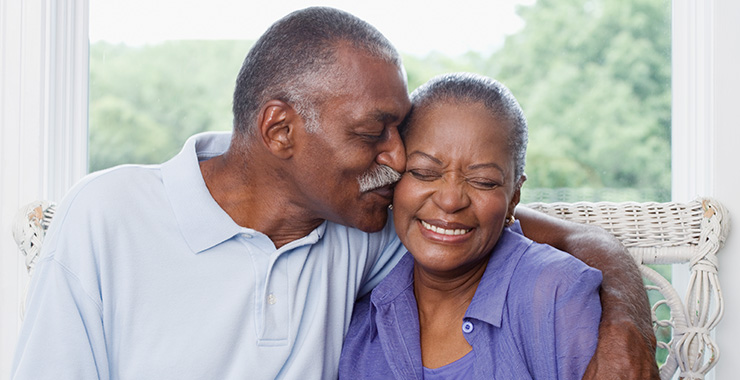
Making love, being loved and cherished physically, verbally, emotionally and sexually can be among life’s most exhilarating experiences. Giving of oneself to a partner one cares deeply about and receiving similar passion in return contributes to one’s vitality, optimism, happiness, and sense of feeling honored. It enhances one’s sexual joy in being alive. When working with clients (and talking to friends) about this subject we can try to help them feel worthy of this kind of healthy sexuality with a loving partner when the caring is reciprocal. (Westheimer & Lehu, 2009); (Schnarch, 2006b).
Conclusion
These concerns can be overwhelming. Helping others think through how they want to be involved sexually is a huge task. It requires patience, wisdom, and the ability to sensitively assist others to choose the course of behavior most compatible with their values and self-image and that will bring them the most fulfillment. I have tried to maintain a non-judgmental point of view, based in the current multi-realities in which we live in the sexually active roaring 2020s. The therapist/consultant or confidante/friend should stress that people may want to be sure their social and sexual behavior is compatible with their own cultural and religious belief system, consistent with their own sense of right and wrong, how it impacts their significant others, and that whatever they do should promote their sexual, physical and emotional well-being.
I close on a positive note about what healthy sexuality entails with a decalogue of “dos” from Dr. Ruth’s 10 Top Secrets of Great Sex (Westheimer, 2009). It contains much timeless wisdom. She implies that when one is involved in a relationship that encompasses this fulfilling kind of intimacy and sexuality, both are less likely to get involved in polyamory.
- Making sex a priority.
- Getting to know yourself.
- Understanding your partner.
- Exploring the Kama Ruthra (her play on words for Kama Sutra).
- Remembering the romance.
- Kicking boredom out of the bedroom.
- Indulging in afterplay–as important as foreplay.
- Improving communication.
- Preparing for the changes that lie ahead.
- Improvising to sustain a terrific sex life.