skip to main content

Residential rehabilitation treatment program

Comorbid medical issues and psychopathology presented by diverse veterans in Residential Rehabilitation Treatment Programs (RRTP) are rife for clinical health psychological interventions within a transdiagnostic group context.

APA Style leaf logo Cite This Webpage in APA Style
Society of Group Psychology and Group Psychotherapy. (2022, March 7). Residential rehabilitation treatment program. https://www.apadivisions.org/division-49/news-events/residential-rehabilitation-treatment

A group of people wearing army outfits are talking.

A portrait of Ronn Johnson Comorbid medical issues and psychopathology presented by diverse veterans in Residential Rehabilitation Treatment Programs (RRTP) are rife for clinical health psychological interventions within a transdiagnostic group context. Although standalone psychotherapy groups for trans-vets’ psychiatric patients are not the norm in rural veterans affairs (VAs), these veterans nonetheless present with a wide range of overlapping clinical circumstances (e.g., suicidal behavior, oxytocin overdose, acute alcohol abuse etc.). Working within a biopsychosocial scaffolding can make veterans presenting with undisclosed gender dysphoria logical candidates for transdiagnostic group psychotherapy. There is an empirically based assumption that transdiagnostic group patients are more likely than not to accrue substantial gains as a result of such treatment. Chiefly because there is considerable benefit as a consequence of the heterogeneity found within these groups particularly as they are exposed to clinical health psychological approaches. This article discusses a biopsychosocial portrait of trans-vets and several clinically relevant underpinning issues for consideration in advance of delivering evidence-based strategies through a transdiagnostic group when used in a rural RRTP. It is an RRTP group treatment program that applies a clinical health psychology framework for diverse trans-vet patients in a rural VA healthcare setting
Keywords: trans-vets, transdiagnostic group, clinical health psychology

Transdiagnostic Group psychotherapy in RRTP as an Evidence-based Care Option for Rural Trans-Vet: A Clinical Health Psychological Paradigm

Prevalence of Gender Dysphoria in Trans-Vets

Gender Dysphoria

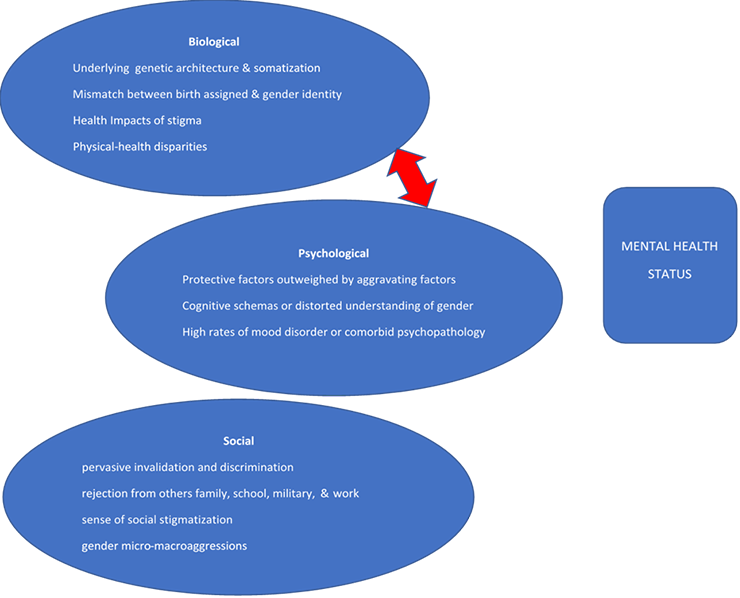
Transgender people are defined as those individuals whose gender identity or expression differs from their assigned sex at birth. It is estimated that around 134,000 of these adults are veterans, and an additional 15,500 are believed to serve in active duty service or reserve positions in the military (Flores, Herman, Gates, & Brown, 2016; Gates & Herman, 2014). Trans-vets adults actually serve in the military at 2 to 3 times the rate (15%–21.4%) of the general adult population (7.3%; Blosnich et al., 2013; James et al., 2016; Harrison-Quintana & Herman, 2013; Shipherd, Mizock, Maguen, & Green, 2012). According to the DSM-5, Gender Dysphoria is a mental and physical disorder characterized by clinically significant distress that occurs as a result of an incongruence between an individual's sex assigned at birth and their true, experienced gender identity (American Psychiatric Association, 2013). A biopsychosocial framework is quite relevant in conceptualizing the experiences of trans-vets (see Figure 1.1). For example, a significant number of transgender patients experience comorbid uncontrolled eating disorders (see reference section). Some of them seeking gender affirming top surgery also present with macromastia which is difficult to conceal and can result in an unwanted negative psychological effect on their dysphoria (Sood et al., 2021; Owen-Smith 2019). In either case, a major irreversible gender-affirming surgical procedure may not be safest for that patient.

In terms of prevalence, when compared with the general population, gender dysphoria is found in higher rates (i.e., 22.9 per 100,000 persons) in the Veterans Health Administration (VHA) population. (Blosnich et al., 2013opens in new window). There is an estimated total of 150,000 transgender active duty service members, veterans, and reservists (Ahuja et al., 2019opens in new window). Roughly 50% of veterans diagnosed with gender dysphoria have also been clinically determined to have mood disorders and 25% of them have a PTSD disorder (Blosnich et al., 2013opens in new window). It is not uncommon for veterans to experience more than one comorbid mental or physical health condition (Funderburk, Kenneson, & Maisto, 2014). Individuals with gender dysphoria are at increased risk for other mental health issues including mood disorders, substance use, anxiety, interpersonal trauma, and suicidality (Valentine & Shipherd, 2018opens in new window).

It is ethically advisable to avoid stigmatizing by over-psychopathologizing trans-vets. Towards that end, practice guidelines have been crafted by the World Professional Association for Transgender Health (WPATH, 2011), the American Counseling Association (Burnes et al., 2010), the American Psychological Association (APA; 2015), and the National Association of Social Workers (2015) that echo similar concerns. That is, collectively, they state that transgender identity is not to be reflexively used as an indicator of psychopathology. In other words, not all transgender individuals are psychologically distressed. Still, the brief review of the prevalence of mental health concerns and particularly those found in rural veterans could exacerbate pre-existing issues associated with their limited access to culturally responsive care (Shiner, et al., 2021). Moreover, the aforementioned health-related circumstances can be further aggravated by trans-vet issues not being sufficiently examined in biomedical journals, rurality, and training programs.

A Biopsychosocial Portrait of Rural Trans-Vets

Military Veteran Health

Military veteran health, especially rural veterans, has been identified as an emerging area in health psychology (Trivendi and Mori, 2019). Gender dysphoria experienced by rural trans-vets is a multifactorial disorder that the biopsychosocial framework of health psychology probably comes the closest to conceptualizing assessment and interventions needed for these patients. Figure 1.1 provides a schematic representation of the biopsychosocial experience of rural trans-vets. For example, not all trans-vets fully transition but for those that do, there is a welcomed quality of life improvement stemming from gender affirming surgery. Psychosocially, families are usually the first place where transgender veterans gain the ability to read various group situations as they may pertain to their gender status. That is, the inability to completely be the person that their internal gender status defines them as is quite distressing. Socially, rejection in their primary group experiences in their families, work and through the military is littered with examples of gender micro and macroaggressions (e.g., fat shaming or discrimination) (Morrison et al., 2019, p. 549). Collectively, these biopsychosocial circumstances can have a cascading traumatizing affect leading to homelessness and compromising their mental health status (Carter et al., 2019; Tucker et al., 2019; Balsam et al., 2011; Morales, 1989). Trans-vets at any point along their transition (medically and psychosocially) often chronicle interpersonal stress in the various settings where they have to function, especially those veterans found in rural settings (e.g., Gandy et al., 2021; Nobili et at., 2018; Stewart et al., 2018).

Rural Veterans, Provider Issues and Access to Mental Health Care

Rurality

Rurality is statutorily recognized as a place where a veteran resides in an area that is not included in an urbanized area or urban cluster (Ratcliffe et al., 2016). Rurality functions as a negative health service factor for several primary reasons. First, rural veterans have a documented preexisting past of being underserved (Weeks et al., 2005; Weeks et al., 2009; Charlron, et al., 2016). For example, since 2005, 170 rural hospitals have closed (UNC Rural Health Research, 2020). Second, the number of rural veterans in particular locales may not justify operating needed treatment programs (Rubin, 2020).

Third, lingering gaps in the availability of rural providers result in a need to consider alternative staffing models (Gutierrez, et al., 2019). Fourth, some ethnoracial rural groups like Native American veterans experience cross-cultural obstacles while attempting to gain entry into healthcare (Whealen, et al., 2017; Shore, et al., 2019). Just by the numbers alone rural veterans make up about 24% (or 5.3 million) of all veterans. It is estimated that over a third (36%) of veterans with a service-related disability also live in rural communities (VHA Office of Rural Health, 2014; Weeks, Wallace, West, Heady, & Hawthorne, 2008). Unfortunately, there are geographic obstacles that significantly reduce rural veterans’ convenient access to care for many of the identical health issues confronting veterans in more urbanized areas (Hofferth & Iceland, 1998; Weeks et al., 2004; Weeks, Wallace, Wang, Lee, & Kazis, 2006). Transportation to these more urban or suburban VHA facilities is also a major challenge for rural veterans (Hofferth & Iceland, 1998). It should also come to no surprise that availability of providers for rural veterans is also aggravated by the location of VAs which are often found in urban settings (Weeks et al., 2004; Weeks et al., 2006; West & Weeks, 2009). On the provider side, it is difficult to recruit and retain qualified medical providers in more rural areas. In fact, the VHA Office of Rural Health (2014) reported that only 9% of physicians practice in rural areas which function as a huge access to care gap since about 20% of Americans live in these areas (see also Weeks et al., 2004). Rural veterans also are less likely to have private insurance and frequently present with complex health care needs, which can exceed the availability of comprehensive care such as those experienced by trans-vets (Weeks et al., 2006; Weeks et al., 2008; West & Weeks, 2009).

To compound the above barrier and prevalence issues, graduate training and continuing education for psychologists as a whole reveal inadequate attention regarding issues confronting trans-vets. For example, in 2005, only two thirds of psychology doctoral programs required a cross-cultural course and 29% of these did not integrate issues relevant to transgender patients as a whole (Sherry, Whilde & Patton, 2005). Only 10% of APA members reported they had been trained on lesbian, gay, and bisexual (LGBTQIA+) patient issues while in graduate school and 28% received no formal training exposure to relevant topics (Murphy, Rawlings, & Howe, 2002). As a result, many psychologists come into the profession without the requisite skill set based on the poor attention to these LGBTQI+ health-related concerns (Phillips & Fischer, 1998; Bieschke, Eberz, Bard & Croteau, 1998). Allison et al. (1994) found that although 68% of psychologists reported they had ever treated a gay patient and about 34% assessed them a themselves as being competent to work with these patients in either civilian or veteran settings.

COVID-19 exposed a porous pandemic response infrastructure that further amplified rural health disparities (references). Across two centuries, rural areas have struggled with shortages in healthcare providers (MacQueen et al., 2018) For example, fewer than 10% of psychologists in contrast to 23% of all veterans reside in rural areas (United States Department of Health and Human Services, National Center for Health Workforce [NCHW], 2014; United States Department of Veterans Affairs, Office of Rural Health [ORH], 2015). Roughly 10% of physicians practice in rural communities (NRHA, 2007). The recruitment and retention of rural providers is a glaring problem for the VA (Hellman 2021) . For example, the VA around 90% of facilities have severe staff shortages with many positions left unfilled (Webb, 2021; Levin, 2022). Chronic understaffing issues and COVID-19 act as distress catalysts that can lead to high staff turnover (Chen et al., 2019) and are also signs of increased psychological risks for providers. For trans-vets, the blend of rurality, provider shortages, and poor academic preparation all point to a need to consider the potential clinical health psychological benefits of transdiagnostic group psychotherapy as an intervention option for these rural patients admitted to a VA Residential Rehabilitation Treatment Program (RRTP).

Schematic Representation of the Biopsychosocial Experience of Rural Trans-Vets

Biopsychosocial Framework

Figure 1.1

A chart with mental health status.

Transdiagnostic Group Therapy in Rural Veteran RRTP

RRTP

The presence of veterans in rural settings combine with the aforementioned shortages in psychological providers in VAs to underscore the relevance of using transdiagnostic group psychotherapy with trans-vets in RRTP. In fiscal year (FY) 2016, the VHA operated 65 SUD RRTPs (SUD RRTPs) and 34 Mental Health RRTP (MH RRTPs) with a SUD track. The VHA’s residential SUD treatment programs have over 2000 beds and 800 full-time clinical staff and serve approximately 20,000 veterans annually but there is an expanding patient census. To no surprise, demand for RRTP services are high and the pace of clinical work climate is fast-paced due to rapid turnover in the patient population, clinical complexity of cases, and shifting care unit group dynamics (e.g., short-term admissions and recurring discharges). Veterans admitted to RRTP require a higher level of care, support, supervision and must be stabilized in advance of being transitioned to an outpatient provider. RRTP programs are in demand and are generally reserved for patients who need high levels of support (e.g., SUD and co-occurring medical conditions, mental illness, and other psychosocial concerns). While trans-vets are not admitted for gender dysphoria, other comorbid (e.g., suicidality or complications related to PTSD etc.) often function as the reason for their admission to RRTP. Most clinical health psychological-related services usually occur in a group format. Transdiagnostic group psychotherapy is one of those treatment options because it is based on the evidenced-based principles of CBT and is applicable to rural veterans across a range of mood-related disorders (Norton 2012; Norton & Barrera 2012).

The transdiagnostic group psychotherapy recommendation is driven by the unwanted comorbid health issues that disproportionately affect transgender individuals residing in rural areas. Moreover, the concerns amplified here are especially problematic when it comes to securing access to gender-affirming health care and other supportive services (Rosenkrantz et al., 2017). For rural veterans, the social climate may also function as a negative factor. For example, there are unfriendly psychosocial communities that punctuate the paucity of health resources (Oswald & Culton, 2003; Willging, Salvador, & Kano, 2006; Drumheller & McQuay, 2010; King & Dabelko-Schoeny, 2009). An additional compounding factor is the enactment of antitransgender legislation in rural states such as South Carolina, North Carolina, and Tennessee. The net psychosocial affect for trans-vets is the creation of a perceived unwelcoming health care community which speaks even more about the need for additional VA treatment resources and revised standards for the delivery of services to rural patients (Fang, 2016; The New York Times Editorial Board, 2016; Kopan & Scott, 2016).

Less optimistically for trans-vets, they are also more likely than not to struggle with the residual reactions stemming from the mistreatment experienced during active duty. Such experiences unwittingly reinforced stigma and rejection issues that further aggravate their gender recognition status and transition. Compounding these situations are many ways trans-vets may be reeling from a military service that shifted from repeal of Don’t Ask, Don’t Tell (DADT) in 2011 (10 U.S.C. § 654) which ostensibly protected sexual minority veterans from discharge because of sexual orientation. Unfortunately, this DADT policy change failed to offer adequate protections for transgender service members (U.S. Department of Defense, 2010). Currently, the Army has announced new service-level policy that allows transgender soldiers to serve openly — in accordance with Defense Department guidance and may be implementing gender-affirming surgery. These policy changes represent a major reversal in a tweet from Donald Trump that rescinded the more transgender inclusive policies and practices. Now, the standard of care means that gender dysphoria must be treated just as any other illness or health-related concern. Despite pockets of back and forth progress with respect to trans-vet health care, there is an overarching concern about a sense of mistrust promulgated by the inconsistent way that the military handles or perhaps more accurately mishandles transgender health matters through their policies. The other unspoken consequence for trans-vets may be a lingering reluctance to seek gender-affirming VA health services simply as a byproduct of the policy changes that fail to engender a sense of legitimacy with respect to care.

This hesitancy may be more pronounced for trans-vets who have elected to not disclose their transgender status or take steps to secure gender affirming care. Or, if they do seek mental health services, the blend of biopsychosocial factors previously discussed may function as a gender-affirmation barrier that may require additional considerations for extending the various clinical treatment options. The net effect in this case is a trans-vet may choose to come into transdiagnostic group psychotherapy without any intention of disclosing their gender status much less make a firm commitment to gender affirming care or pursue transition.

Overview of Transdiagnostic Group Psychotherapy in a VA RRTP

Transdiagnostic Sessions and RRTP

The rapidly shifting patient population of RRTP requires a culturally responsive time-intensive group treatment that leads to changes in the pressing needs presented by diverse veterans. The preferred outcomes can be obtained by equipping veterans with a framework for understanding and coping with life factors that significantly interfere with functioning. These patients often present with acute care needs reflected in moderate to severe symptoms that are fueled by a biopsychosocial crisis. As previously discussed, there is convincing evidence of the efficacy of Transdiagnostic Group Psychotherapy with veterans (Norton, 2012). The desired clinical outcomes that transdiagnostic group psychotherapy can help achieve for diverse veterans has been recognized by a number of researchers. Espejo et al., (2016) wrote:

Transdiagnostic CBT that can be delivered in a group setting holds particular promise for increasing the accessibility of effective treatment for veterans with anxiety. Group treatment allows for a larger number of patients to receive effective treatment with fewer providers (p 163).

Pockets of psychotherapy research have argued that change most often occurs during the first few sessions of therapy (Howard et al. 1986; Seligman 1995). In terms of this RRTP treatment group, the transdiagnostic principles detailed by Norton (2012) were modified for use in the development of the session structure. The sessions are co-led by a board-certified clinical psychologist along with a psychology intern or psychiatric resident. As one part of the RRTP clinical curriculum, the transdiagnostic sessions last for approximately 45 minutes. There is psychotherapy research that argues that change most often occurs during the first few sessions of treatment (Howard et al., 1986; Seligman 1995). Due to the predictable changes in the RRTP patient unit composition, each of the 8 structured sessions include the following repeated integral component elements for the first 15 minutes. The therapeutic mechanisms for the group patients were provided through handouts followed by a psychoeducational introduction to:

*What is the purpose of transdiagnostic group in relation to them as veterans

*Stress the importance of homework completion and review it

*A biopsychosocial framework is explained in connection to the comorbid concerns they present

*Baseline and post session PHQ-9 is administered (on the unit in advance of the group)

*Psychoeducational discussion of CBT underpinnings and principles of practice as they pertain to their presenting admission concerns (e.g., anxiety or other mood-related disorders)

The remaining 30 minutes is spent focused on practicing the skills for the topics of each session and post-session PHQ-9. Session topics are as follows:

Session 1: Progressive Muscle Relaxation (PMR) and related caveats/counter-indications with veterans

Session 2: CBT (core beliefs and cognitive schemas) and mood

Session 3: Pleasant activity scheduling and biopsychosocial coping skills

Session 4: Mindfulness and biopsychosocial self-care

Session 5: CBT and your health

Session 6: CBT and interpersonal relationship distress (home and work)

Session 7: Relapse prevention-oriented reflections of the transdiagnostic session experiences from all returning group members

Session 8: Wrap-up & review of biopsychosocial tools introduced during the transdiagnostic group

Transdiagnostic group therapy for trans-vets is not abundantly offered within the VA. However, psychologists service on a VA LGBTQIA+ Task Force, psychologists identified as transgender friendly providers and holding other professional affiliations (e.g., WPATH) are expected function as trans-vet motivational factors for doing transdiagnostic group work. That is, they could affect decisions about disclosing their transgender status and commitment to seeking other gender-affirming care. Navigating transition, coping with discrimination and the disclosure of their gender identity are unique stressors associated with trans-vets where group psychotherapy could play an important clinical health psychological role (Stolzenberg, E., & Hughes, B. (2017; Goldberg et al., 2019) . For example, there are aggravating biopsychosocial (e.g., affective, gender-affirming surgery complications, and relational) factors involved in coming out and taking gender-affirming steps to achieve self-congruence which all can affect their health. The experiences offered through transdiagnostic group treatment can function as a clinical marker of physical and psychological health change in trans-vets. This clinical result may be an activation byproduct of a strong sense of gender identity that emerges from the trust-relations formed through various group activities.

Conclusions and Implications for Group Practice within a Clinical Health Psychological Framework

Clinical Health Psychological Implications

Transdiagnostic group psychotherapy has demonstrated its utility in many different clinical health psychological-related contexts (Schaefert et al., 2014; Ishii et al., 2021; Stice et al, 2019). Understanding the biopsychosocial needs of trans-vets functions as a prerequisite for implementing any evidenced-based treatment options considered for them. Gender dysphoria is an exemplar focus here because of its clinical presence with trans-vets, particularly those patients found in rural VA RRTP settings. Moreover, transdiagnostic group psychotherapy with trans-vets remains an understudied treatment despite evidence that it can function as an effective approach, including with highly diverse veteran groups. For trans-vets, even in a diagnostically heterogenous RRTP group, their mood-related reactions may function as barriers to them seeking gender-affirming alternatives which can be mitigated. Caveats nonetheless are warranted when it comes to drawing conclusions from this singular trans-vet article. Although, the coverage here is presented as one clinical psychological health observation that does provide evidence that can be subsequently linked to a series of other similar observations and supporting transdiagnostic group research with trans-vets that is lagging. As a result, such evidence would help solidify the confidence of other groups psychotherapy providers as to the validity of the approaches used here.

The trans-vet transdiagnostic group approach presented above was selected for discussion here for two primary reasons. First, it contains the relevance of the role that a transdiagnostic group in rural RRTP settings can help facilitate gender-affirming efforts in trans-vets. Second, it can help to approach resolving the psychological hesitancy often reported in some trans-vets which functions as a desired clinical outcome. That is, there are several group psychology clinical implications. One of them is a consequential benefit directly related to addressing the biopsychological factors stemming from underlying health issues occurring with trans-vets.

Another implication is the structure of the introduction of cognitive-behavioral techniques with trans-vets that can target automatic dysfunctional thoughts that interfere with a rural trans-vets biopsychosocial functioning. Most of which are associated with lingering relational conflicts that can be resolved through the psychologically safe transdiagnostic group interactions as a result of an alliance with other veterans. Finally, the clinical outcomes stemming from their exposure to acceptance and structured transdiagnostic group experiences with other veterans within this biopsychosocial context are consistent with what Irwin Yalom (Yalom, 2005) might label as a corrective emotional experience.

References

American Counseling Association. (2014). 2014 ACA code of ethics: As approved by the ACA governing council. Retrieved from https://www .counseling.org/docs/ethics/2014-aca-code-of ethics.pdf?sfvrsn4

Abelson, M. (2016) In Gender, you aren't from around here': race, masculinity, and rural transgender men Place and Culture. 23(11):1535-1546. DOI: 10.1080/0966369X.2016.1219324

Ahuja A., Ortega S., Belkin A., Neira P. M. (2019). Trans in the United States military: Fighting for change. Journal of Gay & Lesbian Mental Health, 23(1), 3 2610.1080/19359705.2018.1540028

Allison, K. W., Crawford, I., Echemendia, R., Robinson, L., & Knepp, D. (1994). Human diversity and professional competence: Training in clinical and counseling psychology revisited. American Psychologist, 49, 792–796. doi:10.1037/0003-066X.49.9.792

American Psychological Association (APA). (2015). Guidelines for psychological practice with transgender and gender nonconforming people. Retrieved from https://www.apa.org/practice/guidelines/transgenderBalsam, K. F., Molina, Y., Beadnell, B., Simoni, J., & Walters, K. (2011). Measuring multiple minority stress: The LGBT People of Color Microaggressions Scale. Cultural Diversity and Ethnic Minority Psychology, 17(2), 163–174.

Bieschke, K. J., Eberz, A. B., Bard, C. C., & Croteau, J. M. (1998). Using social cognitive career theory to create affirmative lesbian, gay, and bisexual research environments. The Counseling Psychologist, 26, 735– 753. doi:10.1177/0011000098265003

Blosnich J. R., Brown G. R., Shipherd J. C., Kauth M., Piegari R. I., Bossarte R. M. (2013). Prevalence of gender identity disorder and suicide risk among transgender Veterans utilizing Veterans Health Administration care. American Journal of Public Health, 103(10), e27–e3210.2105/AJPH.2013.301507 PMID:23947310

Bockting, W. O., Miner, M. H., Swinburne Romine, R. E., Hamilton, A., & Coleman, E. (2013). Stigma, mental health, and resilience in an online sample of the US transgender population. American Journal of Public Health, 103, 943–951. https://dx.doi.org/10.2105/AJPH.2013.301241

Brown, G. R., & Jones, K. T. (2016). Mental Health and Medical Health Disparities in 5135 Transgender Veterans Receiving Healthcare in the Veterans Health Administration: A Case-Control Study. LGBT Health, 3, 122–131. https://dx.doi.org/10.1089/lgbt.2015.0058

Carter, S. P., Allred, K. M.; Tucker, R. P.; Simpson, T. L., Shipherd, J. C.; Lehavot, K. (2019). Discrimination and suicidal ideation among transgender veterans: The role of social support and connection. LGBT Health, 6(2) 43-50.

Chen, C. K., Palfrey, A., Shreck, E., Silvestri, B., Wash, L., Nehrig, N., Baer, A. L., Schneider, J. A., Ashkenazi, S., Sherman, S. E., & Chodosh, J. (2019, February 11). Implementation of Telemental Health (TMH) Psychological Services for Rural Veterans at the VA New York Harbor Healthcare System. Psychological Services. Advance online publication.https://dx.doi.org/10.1037/ser0000323

Crouch, E. C., Bloch, S., & Wanlass, J. (1994). Therapeutic factors: Interpersonal and intrapersonal mechanisms. In A. Fuhriman & G. M. Burlingame (Eds), Handbook of group psychotherapy: An empirical and clinical synthesis (pp. 269315). New York: Wiley.

Department of Veterans Affairs. (2013). Providing health care for transgender and intersex veterans (VHA Directive 2013– 003). Retrieved from https://www.va.gov/vhapublications/ViewPublication.asp? pub_ID2863

Department of Veterans Affairs. VHA Handbook 1162.02: Mental Health Residential Rehabilitation Treatment Program (MH RRTP). Washington, DC: Veterans Health Administration; 2010.

Drumheller, K., & McQuay, B. (2010). Living in the buckle: Promoting LGBT outreach services in conservative urban/rural centers. Communication Studies, 61(1), 70–86.

Espejo, E. P., Castriotta, N., Bessonov, D., Kawamura, M., Werdowatz, E. A., Ayers, C. R. (2016), Psychological Services, Vol 13(2) Special Issue: Public Mental Health Innovations. 162-169.

Fang, M. (2016, April 11). Tennessee passes anti-LGBT counseling bill [Web log post]. Retrieved from https://www.huffingtonpost.com/entry/tennessee-lgbtcounseling_us_570c4c4de4b0836057a23d63

Flores, A. R., Herman, J. L., Gates, G. J., & Brown, T. N. T. (2016). How many adults identify as transgender in the United States. Retrieved from The Williams Institute website: https://williamsinstitute.law.ucla.edu/wp-content/ uploads/How-Many-Adults-Identify-as-Transgender-inthe-United-States.pdf

Gandy, M.E., Kidd, K.M., Weiss, J. J.1 Leitch, J. & Hersom, X. (2021). Trans Forming Access and Care in Rural Areas: A Community-Engaged Approach. International Journal of Environment, Research and Public Health. 2021 Dec; 18(23).12700 doi: 10.3390/ijerph182312700

Goldberg, A. E., Kuvalanka, K., & Black, K. (2019). Trans students who leave college: An exploratory study of their experiences of gender minority stress. Journal of College Student Development, 60, 381-400.

Gutierrez, J. Moeckli, J., McAdams N., Kaboli, P.J. (2019). The Journal of rural health : official journal of the American Rural Health Association and the National Rural Health Care Association ISSN: 1748-0361, 2019 Dec 15

Harrison-Quintana, J., & Herman, J. (2013). Still serving in silence: Transgender service members and veterans in the National Transgender Discrimination Survey. LGBTQ Policy Journal, 3, 39–52.

Hellmann, J. (2021). Modern Healthcare, 10/18/2021, 51 (27)25-25.

Hofferth, S. L., & Iceland, J. (1998). Social capital in rural and urban communities. Rural Sociology, 63, 574-598.

Howard, K. I., Kopta, S. M., Krause, M. S., & Orlinsky, D. E. (1986). The dose–effect relationship in psychotherapy. American Psychologist, 41(2), 159–164.

James, S. E., Herman, J. L., Rankin, S., Keisling, M., Mottet, L., & Anafi, M. (2016). The report of the 2015 U.S. Transgender Survey. Washington, DC: National Center for Transgender Equality.

Kaufman, C. E., Brooks, E., Kaufmann, L. J., (2013). Rural native veterans in the veterans health administration: Characteristics and service utilization patterns. The Journal of Rural Health: Official Journal of the American Rural Health Association and the National Rural Health Care Association, 29, 304–310.

Kaufman, C. E., Kaufmann, L. J., Shangreau, C.,Dailey, N., Blair, B., & Shore, J. (2016). American Indian veterans and VA services in three tribes. American Indian & Alaska Native Mental Health Research: The Journal of the National Center. 23 (2) 64-83. 10.5820/aian.2302.2016.64.

Kauth, M. R., Barrera, T. L., & Latini, D. M. (2018). Lesbian, gay, and transgender veterans’ experiences in the Veterans Health Administration: Positive signs and room for improvement. Psychological Services. Advance online publication. doi:10.1037/ser0000232s

Kauth, M. R., & Shipherd, J. C. (Eds.). (2017). Adult transgender care: An interdisciplinary approach for training mental health professionals. New York, NY: Routledge.

Kauth, M. R., Shipherd, J. C., Lindsay, J., Blosnich, J. R., Brown, G. R., & Jones, K. T. (2014). Access to care for transgender veterans in the Veterans Health Administration: 2006–2013. American Journal of Public Health, 104(Suppl. 4), S532– S534.

King, S., & Dabelko-Schoeny, H. (2009). “Quite frankly, I have doubts about remaining”: Aging-in-place and health care access for rural midlife and older lesbian, gay, and bisexual individuals. Journal of LGBT Health Research, 5(1–2), 10–21.

Kopan, T., & Scott, E. (2016, March 24). North Carolina governor signs controversial bathroom bill [Web log post]. Retrieved from https://www.cnn .com/2016/03/23/politics/north-carolina-genderbathrooms-bill/Kramer, B. J., Jouldjian, S., Washington, D. L., Harker, J. O., Saliba, D., & Yano, E. M. (2009).

Health care for American Indian and Alaska native women: The roles of the Veterans Health Administration and the Indian Health Service. Women’s Health Issues, 19, 135–143.

Lichtman, J.H., Froelicher, E.S., Blumenthal, J.A. (2014). Depression as a risk factor for poor prognosis among patients with acute coronary syndrome: systematic review and recommendations: a scientific statement from the American Heart Association. 129:1350–1369.

Lutwak, N., Byne, W., Erickson-Schroth, L., Keig, Z.; Shipherd, J. C.; Mattocks, K. M., Kauth, Michael, R.; (2014). Transgender veterans are inadequately understood by health care providers. Military Medicine, 179(5) 483-485.

Meyer, I. H. (2003). Prejudice, social stress, and mental health in lesbian, gay, and bisexual populations: Conceptual issues and research evidence. Psychological Bulletin, 129(5), 674–697.

Meyer, I. H. (2010). Identity, stress, and resilience in lesbians, gay men, and bisexuals of color. The Counseling Psychologist, 38(3), 442–454.

Miho I.,· Wakako, I., Karube, Y., Ogawa, Y., · Tagawa, A., Shunta Maeda, S., Hideki Sato, H., · Takahash, T., · Natsumi Inomata, N., Narisawa, H.· Takaesu, Y. Watanabe, K., Okajima, I. (2021). Effects of transdiagnostic group treatment for sleep disturbances in adult attention defcit/hyperactivity disorders and autistic spectrum disorder: a pilot study. Sleep and Biological Rhythms https://doi.org/10.1007/s41105-021-00351-8 3,14 Received: 28 June 2021 /

Mattocks, K. M., Sadler, A., Yano, E. M.; Krebs, E. E., Zephyrin, L.,; Brandt, C., Kimerling, R., Sandfort, T., Dichter, M. E., Weiss, J. J.; Allison, J., Haskell, S. (2013). Sexual victimization, health status, and VA healthcare utilization among lesbian and bisexual OEF/OIF veterans. Journal of General Internal Medicine, 28(Suppl 2). S604-S60

Morales, E. S. (1989). Ethnic minority families and minority gays and lesbians. Marriage & Family Review, 14(3–4), 217–239.

Morales, E. (2013). Latino lesbian, gay, bisexual, and transgender immigrants in the United States. Journal of LGBT Issues in Counseling, 7(2), 172–184.

Morrison M. A., Bishop C. J., Morrison T. G. (2019). A systematic review of the psychometric properties of composite LGBT prejudice and discrimination scales. Journal of Homosexuality, 66(4), 549–57010.1080/00918369.2017.1422935 PMID:29308989

Murphy, J. A., Rawlings, E. I., & Howe, S. R. (2002). A survey of clinical psychologists on treating lesbian, gay, and bisexual clients. Professional Psychology: Research and Practice, 33, 183–189. doi:10.1037/0735- 7028.33.2.183.

National Rural Health Association (2004). Rural veterans: A special concern for rural health advocates. Policy Brief. Retrieved from https://www.ruralhealthweb.org/go/rural-healthtopics/veterans-health. Accessed on January 11, 2022.

National Association of Social Workers. (2008). Code of ethics of the National Association of Social Workers, revised. Retrieved from https:// www.socialworkers.org/pubs/code/code.asp

National Association of Social Workers. (2015). Sexual orientation change efforts (SOCE) and conversion therapy with lesbians, gay men, bisexuals, and transgender persons. Retrieved from https:// www.socialworkers.org/diversity/new/documents/ HRIA_PRO_18315_SOCE_June_2015.pdf The New York Times Editorial Board. (2016, April 18). Transgender bathroom hysteria. New York Times. Retrieved from https://www.nytimes.com/ 2016/04/18/opinion/transgender-bathroom-hysteriacontd.html?_r0

Nobili, C. G., & Arcelus, J. (2018). Quality of life of treatment-seeking transgender adults: A systematic review and meta-analysis. Annual Reviews in Endocrine and Metabolic Disorders 19, 199–220.

Norton, P. J. (2012a). A randomized clinical trial of transdiagnostic cognitive-behavioral treatments for anxiety disorder by comparison to relaxation training. Behavior Therapy, 43, 506-517.

Norton, P. J., Barrera, T. L. (2012). Transdiagnostic versus diagnosis-specific CBT for anxiety disorders: A preliminary randomized controlled noninferiority trial. Depression and Anxiety, 29, 874-882.

Norton, P. J. (2012b). Group cognitive-behavioral therapy of anxiety: A transdiagnostic treatment manual. New York, NY: Guilford Press. Norton, P. J., & Barrera, T. L. (2012). Transdiagnostic versus diagnosis specific CBT for anxiety disorders: A preliminary randomized controlled noninferiority trial. Depression and Anxiety, 29, 874 – 882. https:// dx.doi.org/10.1002/da.21974

Owen-Smith, A. A., Gerth, J., Sineath, R. C., Barzilay, J., Becerra-Culqui, T. A.; Getahun, D., Giammattei, S., Hunkeler, E., Lash, T. L., Millman, A., Nash, R., Quinn, V. P., Robinson, B., Roblin, D., Sanchez, T., Silverberg, M. J., Tangpricha, V., Valentine, C., Winter, S., Woodyatt, C. (2018). Association Between Gender Confirmation Treatments and Perceived Gender Congruence, Body Image Satisfaction, and Mental Health in a Cohort of Transgender Individuals. Journal of Sexual Medicine. 15 Issue 4, 591-600. 10p. DOI: 10.1016/j.jsxm.2018.01.017.

Oswald, F., & Culton, L.S. (2003). Under the rainbow: Rural gay life and its relevance for family providers. Family Relations, 52, 72–81. Phillips, J. C., & Fischer, A. R. (1998). Graduate students’ training experiences with lesbian, gay, and bisexual issues. The Counseling Psychologist, 26, 712–734. doi:10.1177/0011000098265002

Priester, M. A., Browne, T., Iachini, A., Clone, S., DeHart, D., & Seay, K. D. (2016). Treatment access barriers and disparities among individuals with co-occurring mental health and substance use disorders: An integrative literature review. Journal of Substance Abuse Treatment, 61, 47-59.

Ratcliffe, M., Burd, C., Holder, K., & Fields, A. (2016). Defining rural at the US Census Bureau. American community survey and geography. 1(8).

Rosenkrantz, D. E., Black, W. W., Abreu, R. L., Aleshire, M. E., & Fallin-Bennett, K. (2017). Health and health care of rural sexual and gender minorities: A systematic review. Stigma and Health, 2(3), 229.

Schaefert R, Kaufmann C, Wild B. (2013). Specific collaborative group intervention for patients with medically unexplained symptoms in general practice: a cluster randomized controlled trial. Psychotherapy and Psychosomatic 2013; 82:106–119

Seal, K. H., Bertenthal, D., Miner, C. R., Sen, S., & Marmar, C. (2007). Bringing the war back home: Mental health disorders among 103,788 US veterans returning from Iraq and Afghanistan seen at VA facilities. Archives of Internal Medicine, 167, 476–482. doi:10.1001/ archinte.167.5.476

Seligman, M. E. (1995). The effectiveness of psychotherapy. The Consumer Reports study. The American Psychologist, 50(12), 965–974. Sherry, A., Whilde, M. R., & Patton, J. (2005). Gay, lesbian, and bisexual training competencies in American Psychological Association accredited graduate programs. Psychotherapy: Theory, Research, Practice, Training, 42, 116 –120. doi:10.1037/0033-3204.42.1.116

Shipherd, J. C., Mizock, L., Maguen, S., & Green, K. E. (2012). Male-to female transgender veterans and VA health care utilization. International Journal of Sexual Health, 24, 78 – 87. https://dx.doi.org/10.1080/19317611.2011.639440

Shipherd, J. C., Green, K. E., & Abramovitz, S. (2010). Transgender clients: Identifying and minimizing barriers to mental health treatment. Journal of Gay & Lesbian Mental Health, 14, 94 –108.U.S. Department of Defense. (2010). Summary of changes: Revisions to the “Don’t Ask, Don’t Tell” regulations. Office of the Secretary of Defense. Retrieved from https://archive .defense.gov/news/Summary%20of%20Changes%20 DADT.pdf

Sivan-Donin D, Ben-Ezra M, Hamama-Raz Y: Quality or quantity of coping resources: why not both? An integration of common stress theories (2019). Psychiatry Research 272:164–170.

Smith, N. B., Sippel, L. M., Rozek, D. C., Spangler, P. T., Traber, D., Straud, C. L., Hoff, R., Harpaz‐Rotem, I., & Harpaz-Rotem, I. (2020). Depression & Anxiety (1091-4269). 37 (3) 73-284.

Smith, N. B., Sippel, L., Rozek, D., Hoff, R., & Harpaz‐Rotem, I. (2019). Predictors of dropout from residential treatment for Posttraumatic Stress Disorder among military veterans. Frontiers in Psychology, 10, 362. https://doi.org/10.3389/fpsyg.2019.00362

Sood, Rachita; Chen, Diane; Muldoon, Abigail L.; Chen, Liqi; Kwasny, Mary J.; Simons, Lisa K.; Gangopadhyay, Noopur; Corcoran, Julia F.; Jordan, Sumanas W. (2021). Journal of Adolescent Health, 68(6). 1135-1141

Stewart, L., O’Halloran, P., Oates, J., 2018. Investigating the social integration and wellbeing of transgender individuals: a meta-synthesis. International Journal of Transgenderism 19 (1), 46–58. https://doi.org/10.1080/15532739.2017.1364199.

Stice, Eric; Yokum, Sonja; Rohde, Paul; Shaw, Heather; Gau, Jeff M.; Johnson, Sarah; Johns, A. (2019). Randomized trial of a dissonance-based transdiagnostic group treatment for eating disorders: An evaluation of target engagement. Journal of Consulting and Clinical Psychology, Vol 87(9), 772-786.

Stolzenberg, E., & Hughes, B. (2017). The experiences of incoming transgender college students: New data on gender identity. Association of American Colleges & Universities. Retrieved from https://www.aacu.org/liberaleducation/2017/spring/stolzenberg_hughes

Tasca, G. A., Foot, M., Leite, C., Maxwell, H., Balfour, L., & Bissada, H. (2011). Interpersonal processes in psychodynamic-interpersonal and cognitive behavioral group therapy: A systematic case study of two groups. Psychotherapy, 48, 260-273

Trivendi, R. & Mori, A. (2019). Military Veterans Health in Tracey A. Revenson, T.A. & Gurung, R.A.R (Eds). Handbook of Health Psychology. New York: Routledge

Tucker R. P., Testa R. J., Reger M. A., Simpson T. L., Shipherd J. C., Lehavot K. (2019). Current and military-specific gender minority stress factors and their relationship with suicide ideation in transgender veterans. Suicide

Tucker, R. P., Tackett, M. J., Glickman, D., & Reger, M. A. (2018). Ethical and practical considerations in the use of a predictive model to trigger suicide prevention interventions in healthcare settings. Suicide and Life-Threatening Behavior. Advance online publication. doi:10.1111/sltb.12431

Tucker, R. P., Testa, R. J., Reger, M. A., Simpson, T. L., Shipherd, J. C., & Lehavot, K. (2018). Current and military-specific gender minority stress factors and their relationship with suicide ideation in transgender veterans. Suicide and Life-threatening Behavior. Advance online publication. doi:10.1111/sltb.12432and Life-Threatening Behavior, 49(1), 155–16610.1111/sltb.12432 PMID:29327446 Shiner, Brian; Peltzman, Talya; Cornelius, Sarah L.; Gui, Jiang; Forehand, Jenna; Watts, Bradley V. Recent trends in the rural–urban suicide disparity among veterans using VA health care. Journal of Behavioral Medicine. Aug2021, Vol. 44 Issue 4, p492-506.

The World Professional Association for Transgender Health (WPATH). (2011). Standards of care for the health of transsexual, transgender, and gender nonconforming people (7th version). Retrieved from https://www.wpath.org/uploaded_files/ 140/files/Standards%20of%20Care,%20V7%20 Full%20Book.pdf

Weeks, W. B., Kazis, L. E., Shen, Y., Cong, Z., Ren, X. S., Miller, D., . . . Perlin, J. B. (2004). Differences in health-related quality of life in rural and urban veterans. American Journal of Public Health, 94, 1762-1767.

Weeks, W. B., Wallace, A. E., Wang, S., Lee, A., & Kazis, L. E. (2006). Rural-urban disparities in health-related quality of life within disease categories of Veterans. The Journal of Rural Health, 22, 204-211.

Weeks, W. B., Kazis, L. E., Shen, Y., Cong, Z., Ren, X. S., Miller, D., . . . Perlin, J. B. (2004). Differences in health-related quality of life in rural and urban veterans. American Journal of Public Health, 94, 1762-1767.

Weeks, W. B., Wallace, A. E., West, A. N., Heady, H. R., & Hawthorne, K. (2008). Research on rural veterans: An analysis of the literature. The Journal of Rural Health, 24, 337-344.

Willging, C. E., Salvador, M., & Kano, M. (2006). Pragmatic help seeking: How sexual and gender minority groups access mental health care in a rural state. Psychiatric Services, 57, 871–874.

Whealin, J. M.; Nelson, D., Kawasaki, M. M., Mahoney, M. A. (2017). Factors impacting rural Pacific Island veterans’ access to care: A qualitative examination Psychological Services, 14(3), Special Section: Wounded Warriors: Treating Native American Veterans and Families. 279-288.

Yalom, I. (1995). The theory and practice of group psychotherapy (4th edn). New York: Basic Books.

Yalom, I. D. (with Leszcz, M.). (2005). The theory and practice of group psychotherapy (5th ed.). New York, NY: Basic Books.